 ForceGT.com Car News, Car Reviews, Video Reviews, Tuning and much more.
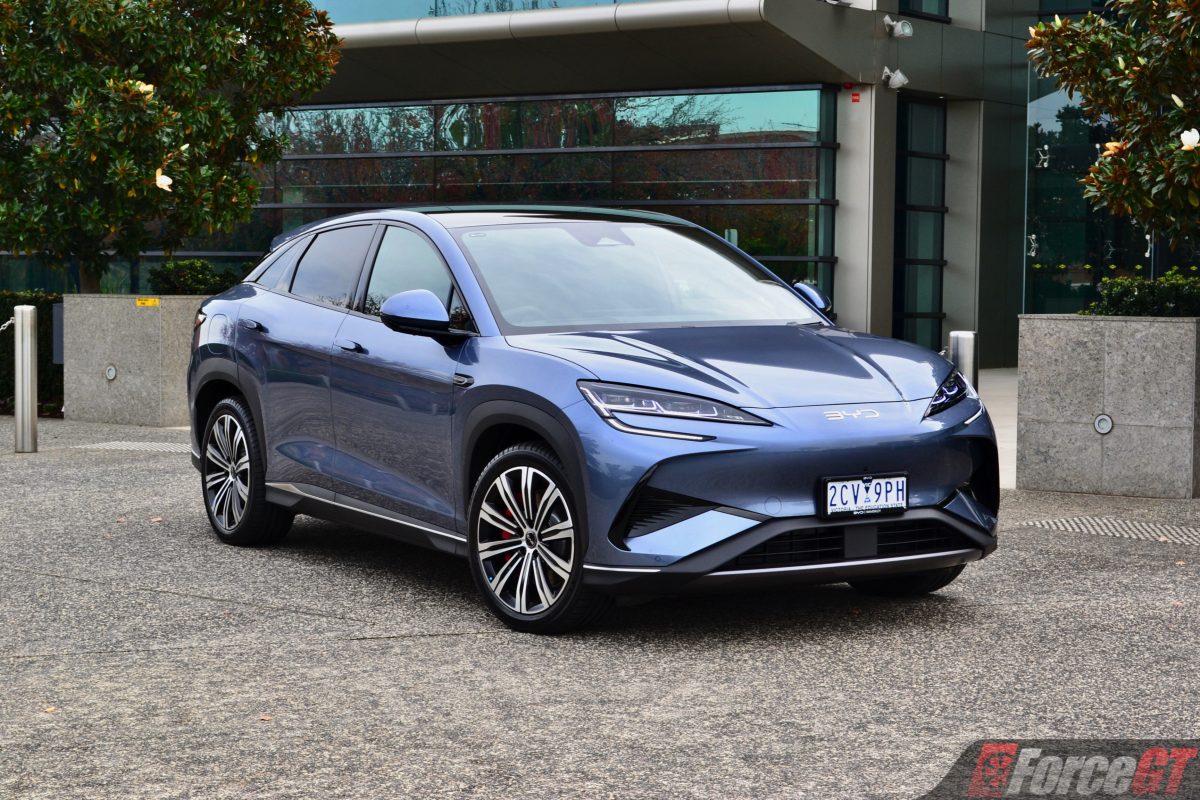
From a humble entry into the Australian passenger-car market in 2022 with the Atto 3 small SUV, Chinese manufacturer BYD has now grown to become one of the country’s most popular car brands. Its rapid sales growth was partly driven by the huge uptake of EVs in Australia over the past few years, and BYD, along with arch rival Tesla, capitalised on it with their comprehensive EV model line-up.
One of BYD’s top-selling models is the Sealion 7 midsize electric SUV. Building on the strong brand awareness established by the Atto 3 and later the Dolphin and Seal, the arrival of the Sealion 7 in early 2025 couldn’t have been better timed. With the medium SUV segment, the largest in the country, seeing a big shift towards EVs, the Sealion 7 instantly attracted interest among EV buyers.
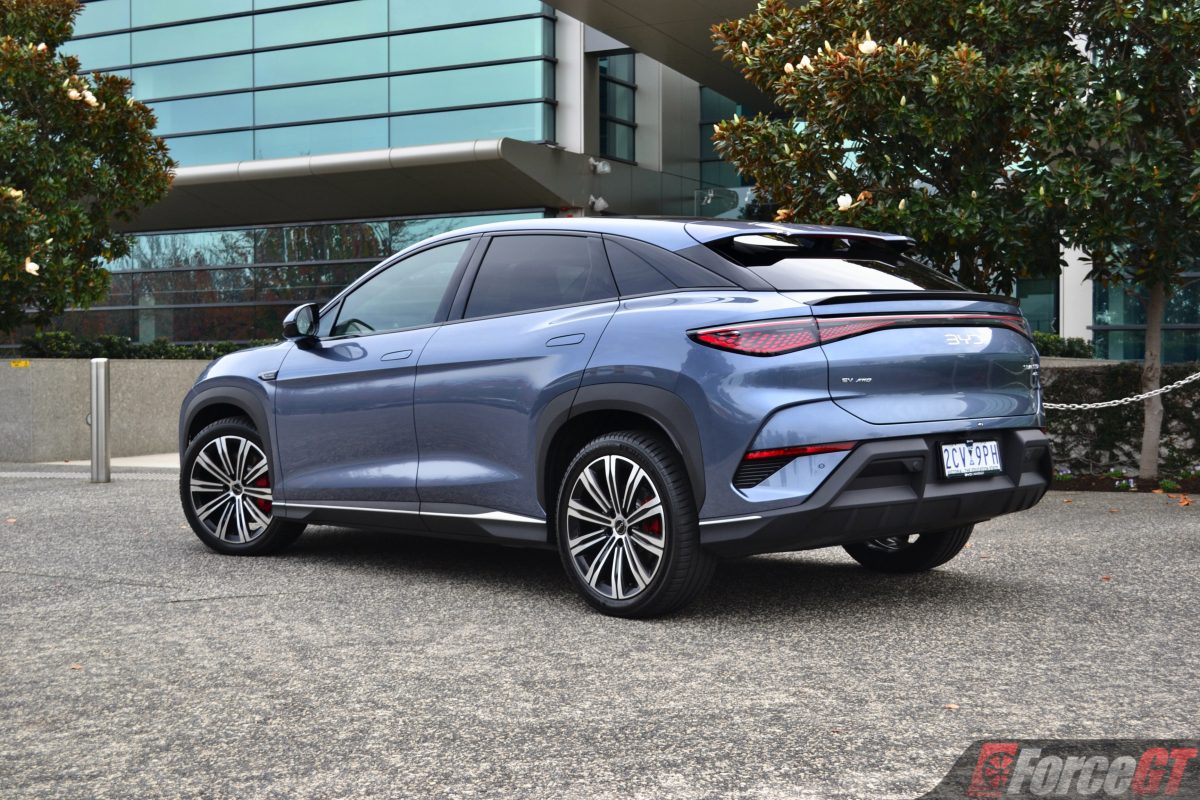
For 2026, the Sealion 7 sees a slight sharpening of pricing to increase appeal even further, with the Sealion 7 Premium Rear-Wheel Drive offered at $54,990 drive-away. That’s about $5,000 cheaper than the comparable Tesla Model Y Premium Rear-Wheel Drive. The top-spec Sealion 7 Performance All-Wheel Drive is priced at $63,990 plus on-road costs which will bring its drive-away sticker to around $67,000 depending on delivery location. While the equivalent Tesla Model Y Performance is both quicker and more powerful, it’s about $25,000 dearer at $89,400 plus ORCs.
So, the pricing strategy is right and the two-variant offering caters well, how is the actual vehicle itself? I spent a week behind the wheel of the Sealion 7 Performance to find out.
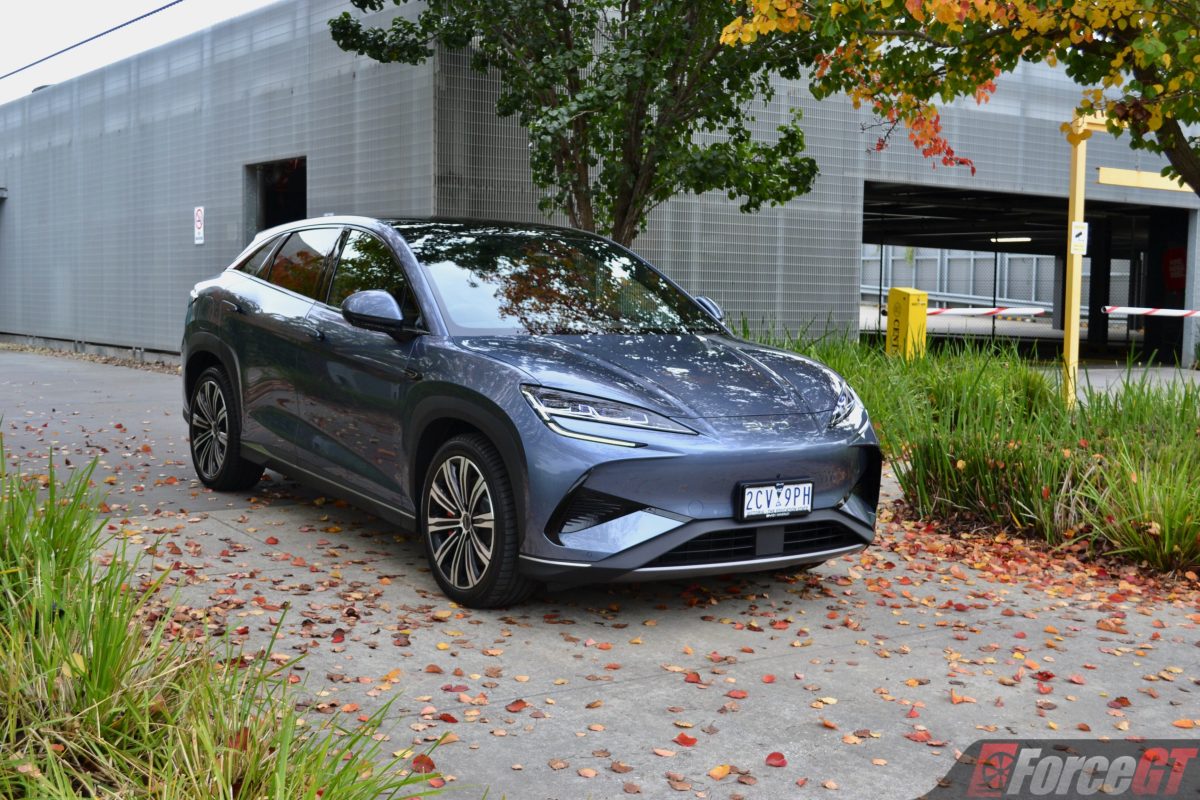
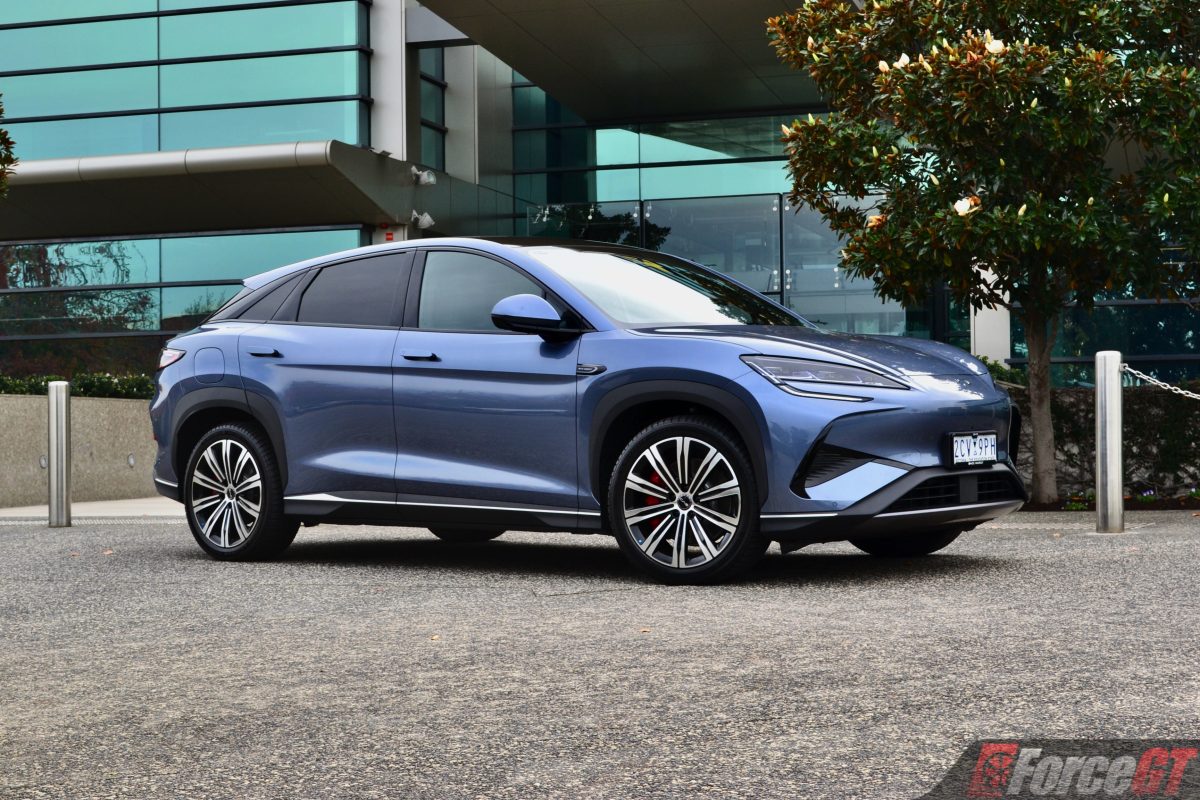
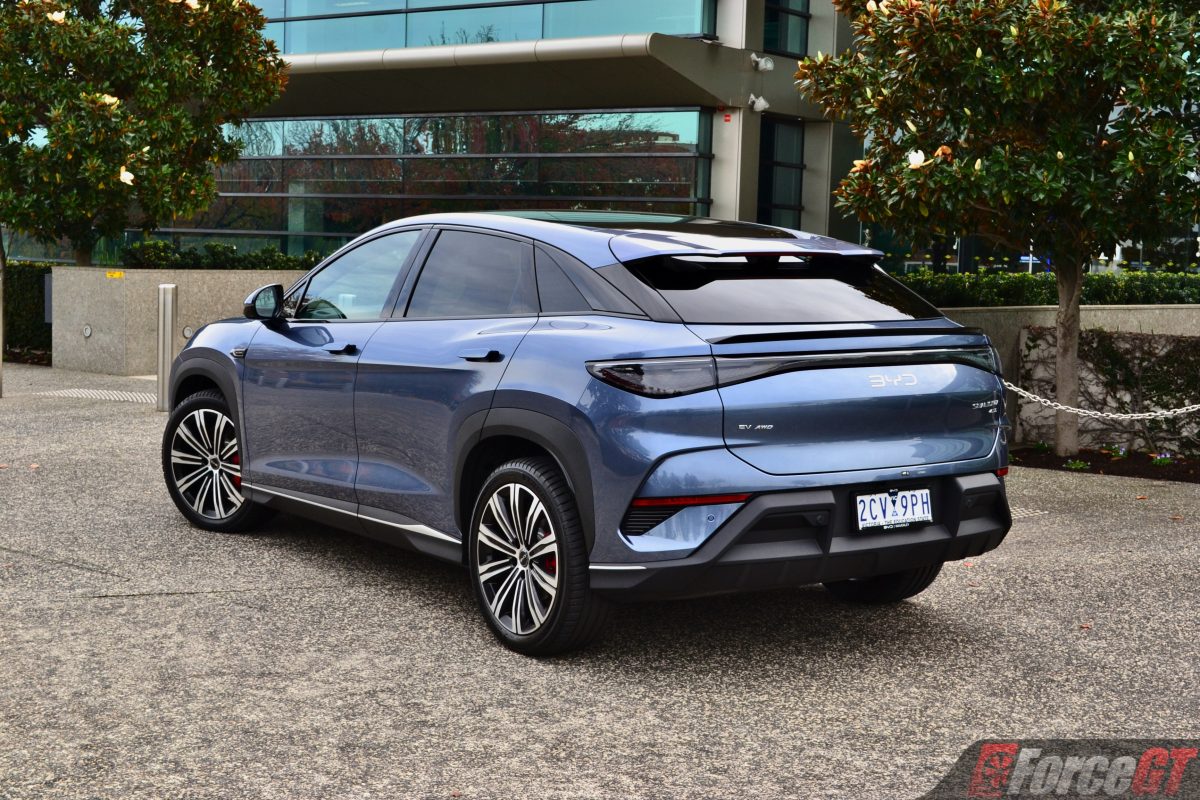
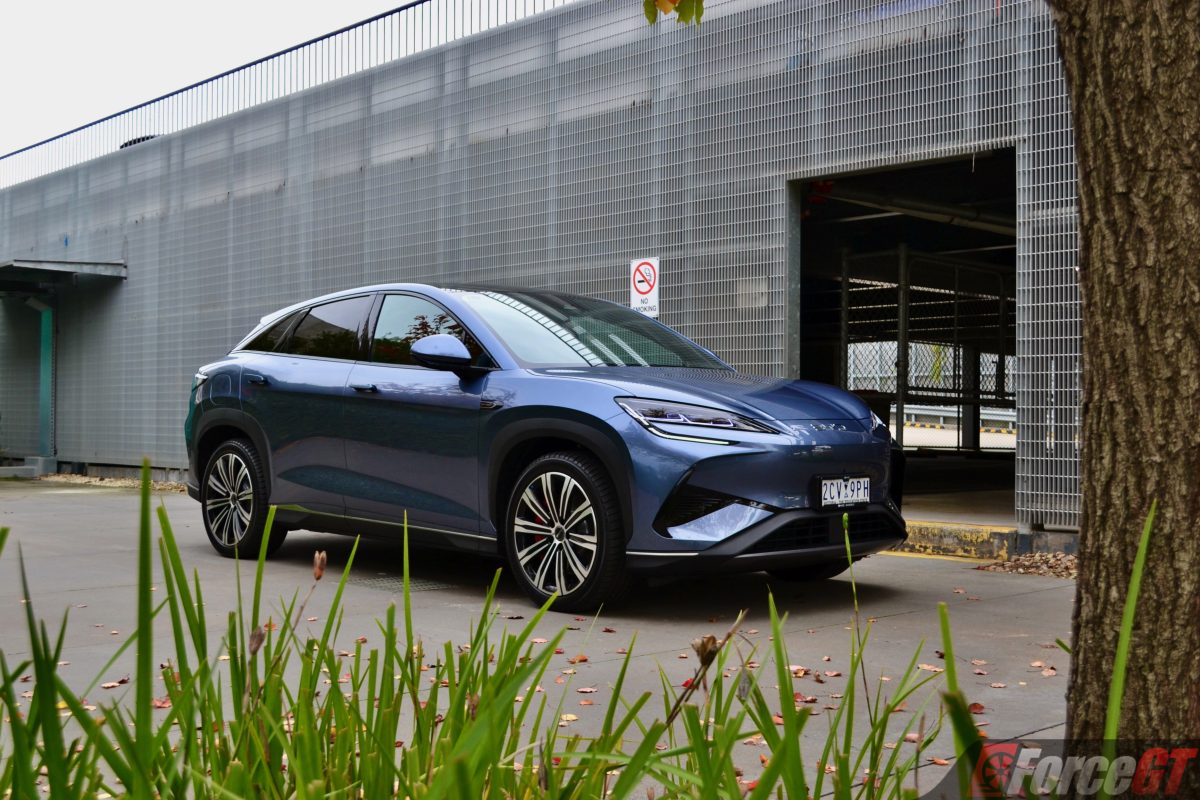
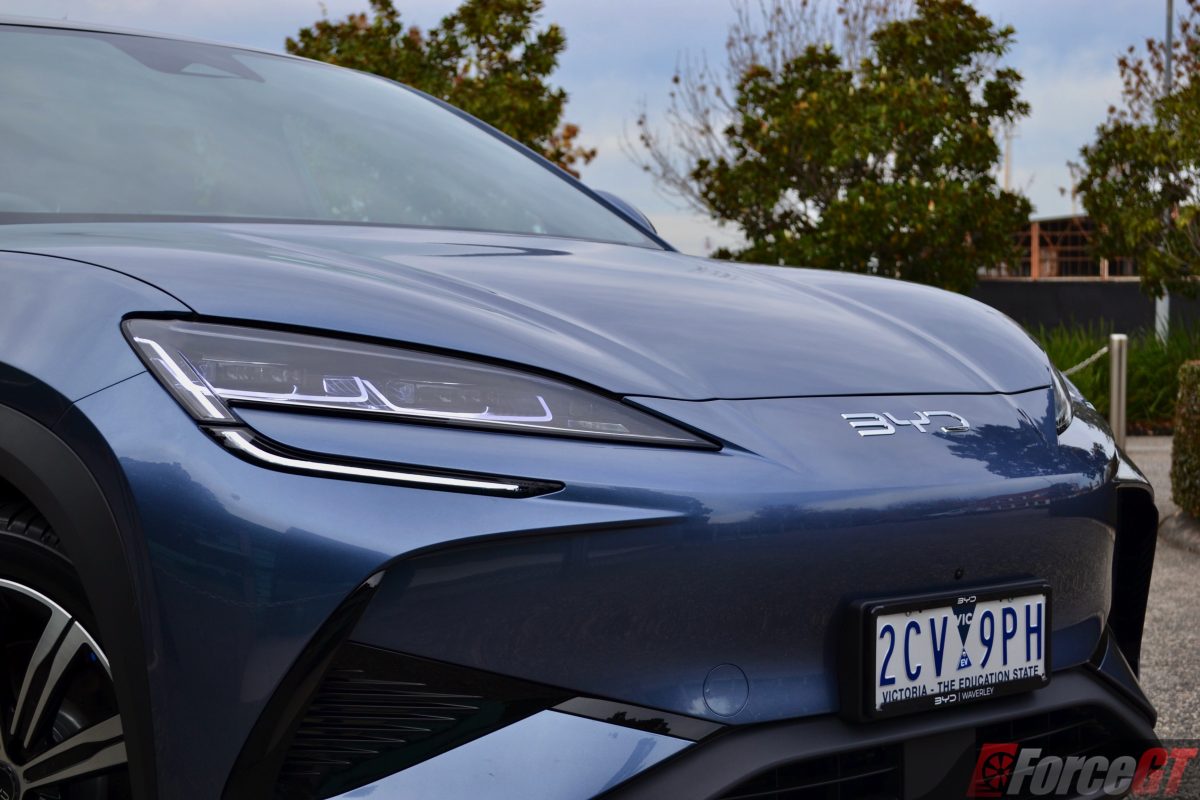
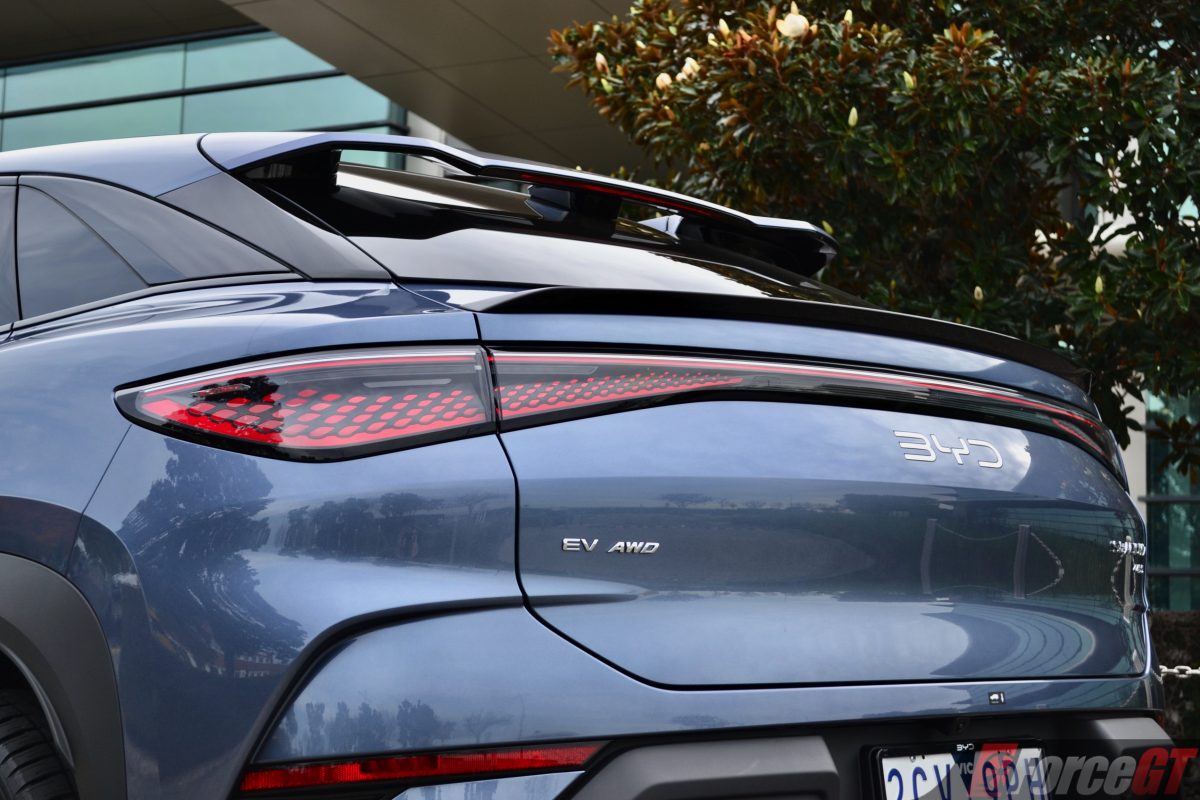
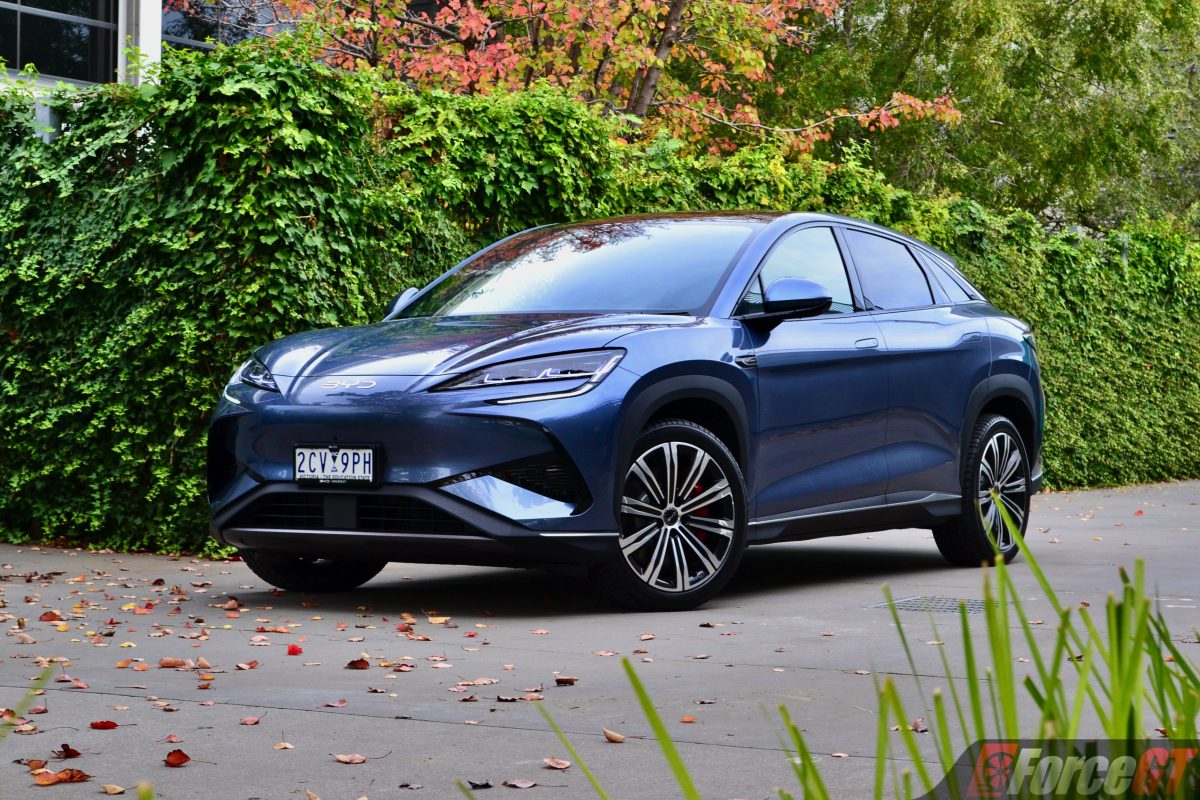
First things first, the looks. I think BYD design has matured to a point where it now has an mistakable presence on our roads. While the first Atto 3 and Dophin looked a little generic and derivative, the Sealion 7, along with the Seal, represent the start of some truly confident and purposeful styling from the relatively young automotive brand. The Sealion 7 design is elegant and upmarket with good proportions all around. Aside from the fussiness in the lower rear bumper, it’s a very successful design in my book.
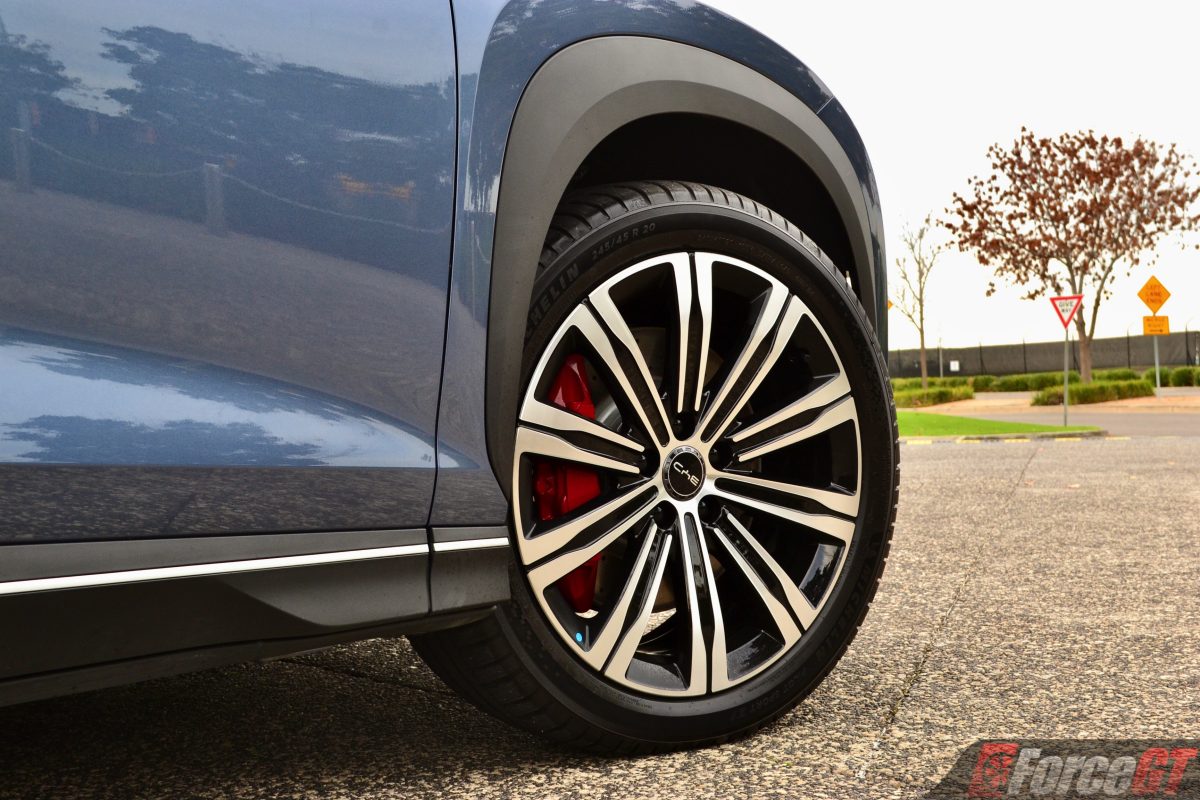
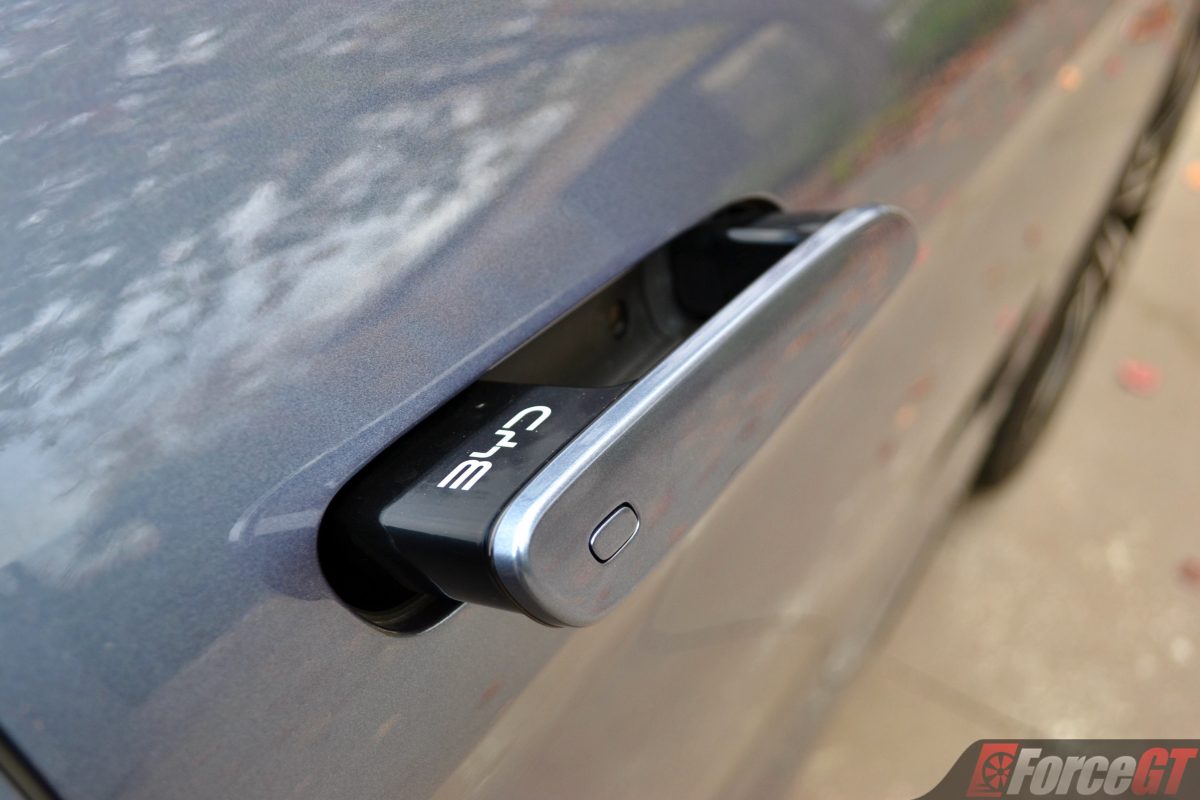
The low bonnet, sleek fastback roofline and flush door handles help the Sealion 7 achieve a respectable 0.28 drag coefficient. That’s considerably more aerodynamic than most non-EV rivals in the midsize SUV segment. The Premium variant rolls on 19-inch wheels while the Performance grade is shod with 20-inch items, behind which tucked red-painted high performance brake calipers.
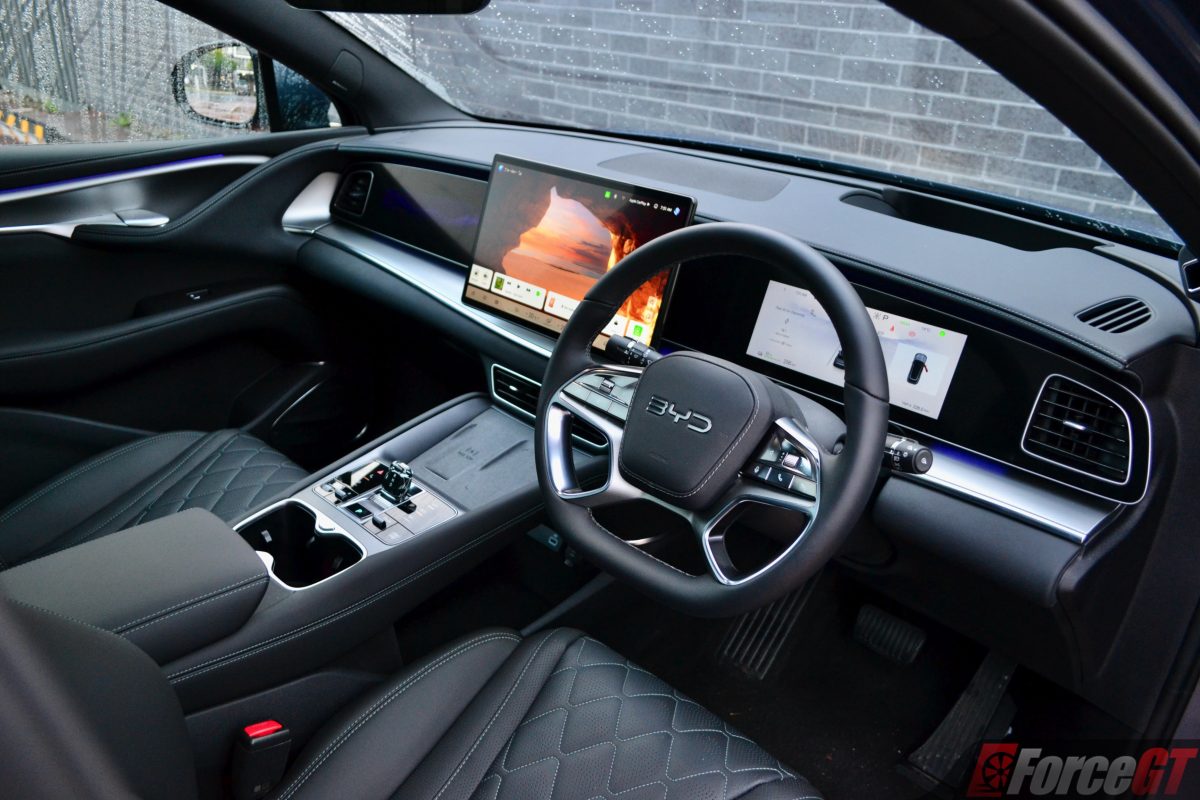
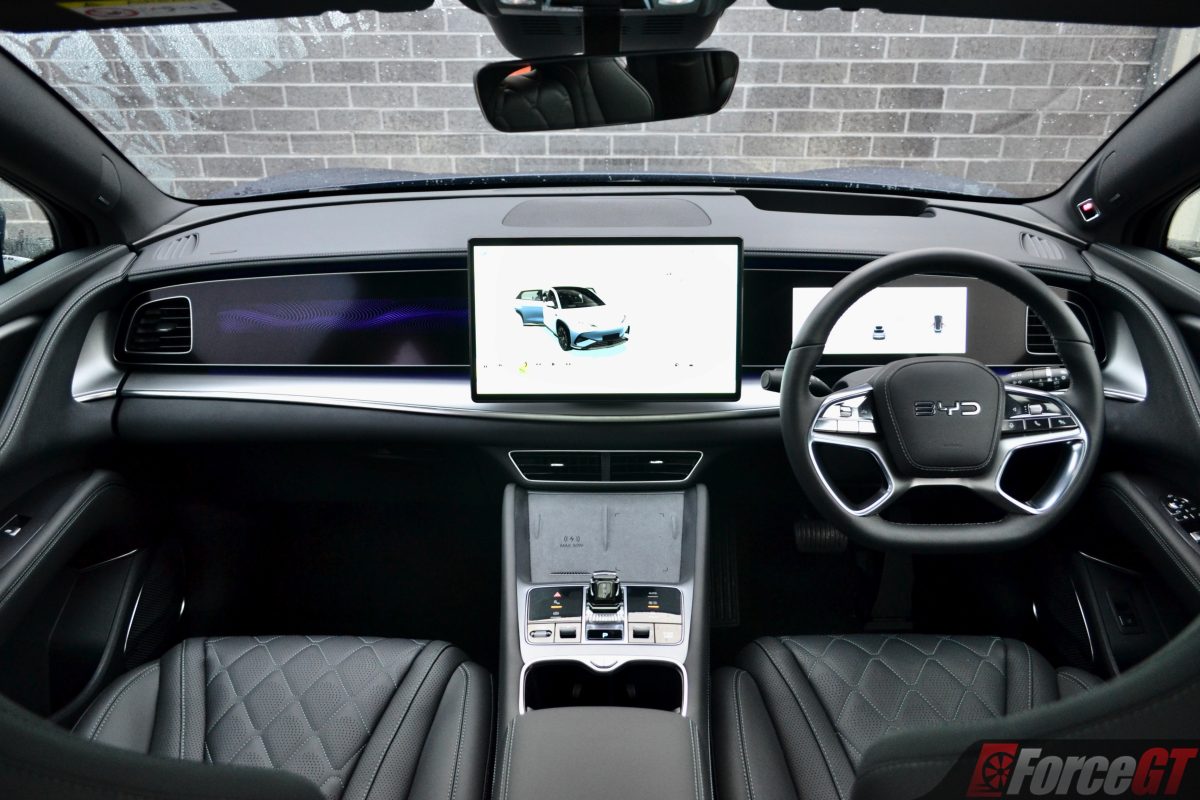
Mirroring the exterior, the cabin also exudes a premium vibe, with a really well-executed design that feels like the interior of a car costing much more. Indeed, everything from the contrasting stitching to the switchgear feels more upmarket than mainstream. Mood lighting with changeable colours reflecting off the silver aluminium-look trims further elevates the cabin ambience. It’s all very business-like, very sophisticated.
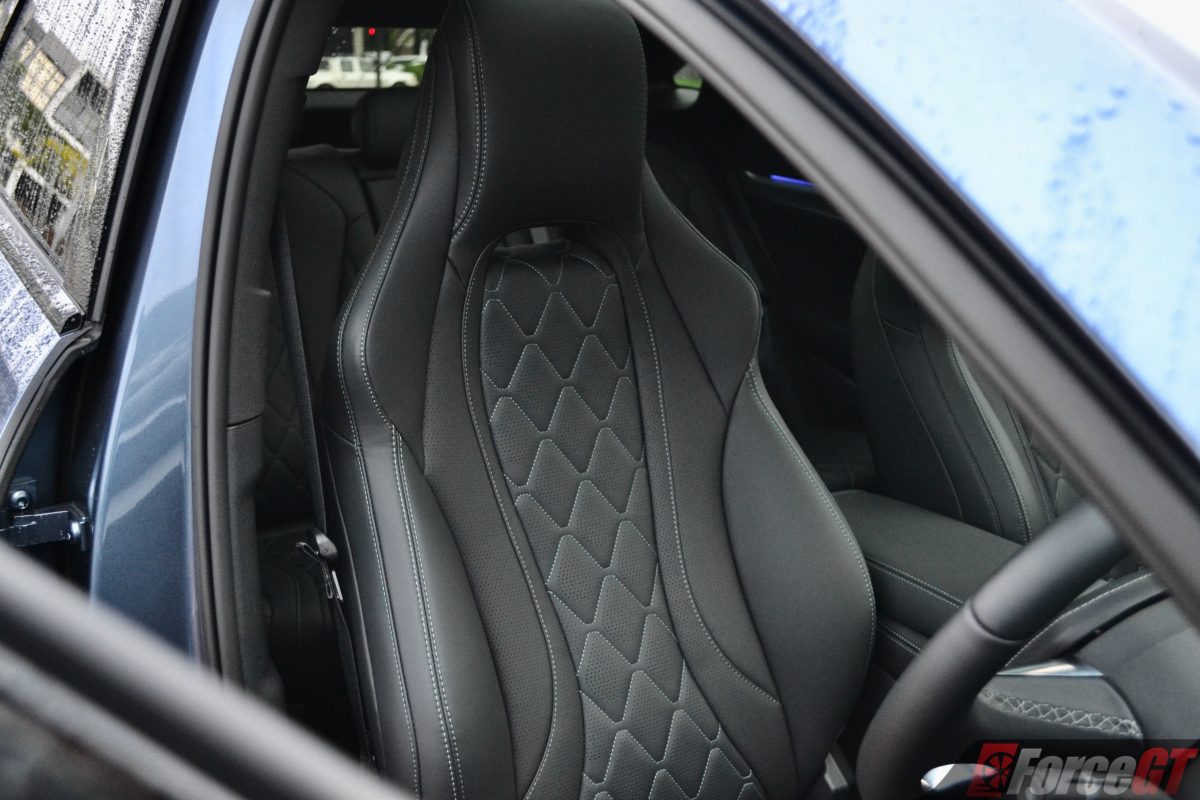
The bolstered front seats look more like those that belong to a premium sports coupe than an SUV, but they’re not overly snugged with just the right amount of support. They feel comfortable over long distances, too. BYD lists the seats as “genuine leather-wrapped seats”, but they feel somewhat synthetic to the touch. At least, they pair well the rest of the leather-wrapped interior trim.
Space in the back row seats is generous, with plenty of knee and leg-room for everyone to get comfortable. The floor is completely flat which translates to more freedom of movement for the middle rear passenger.
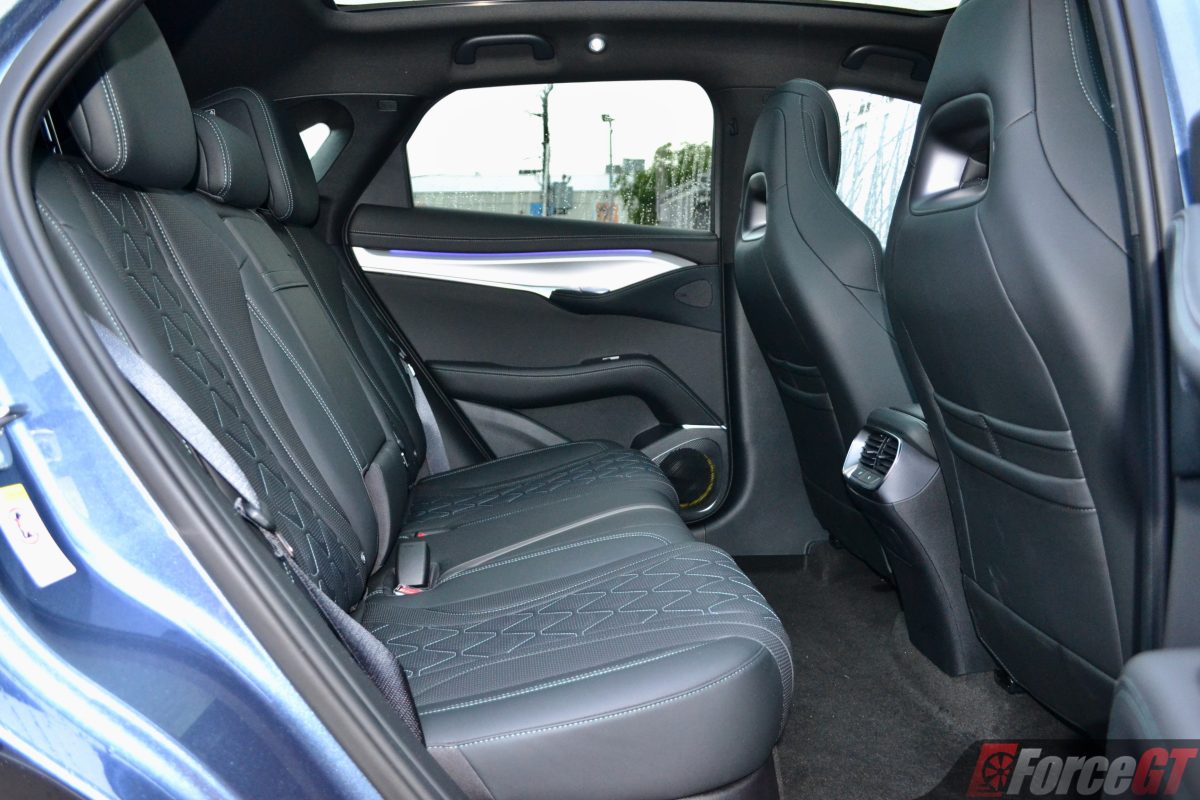
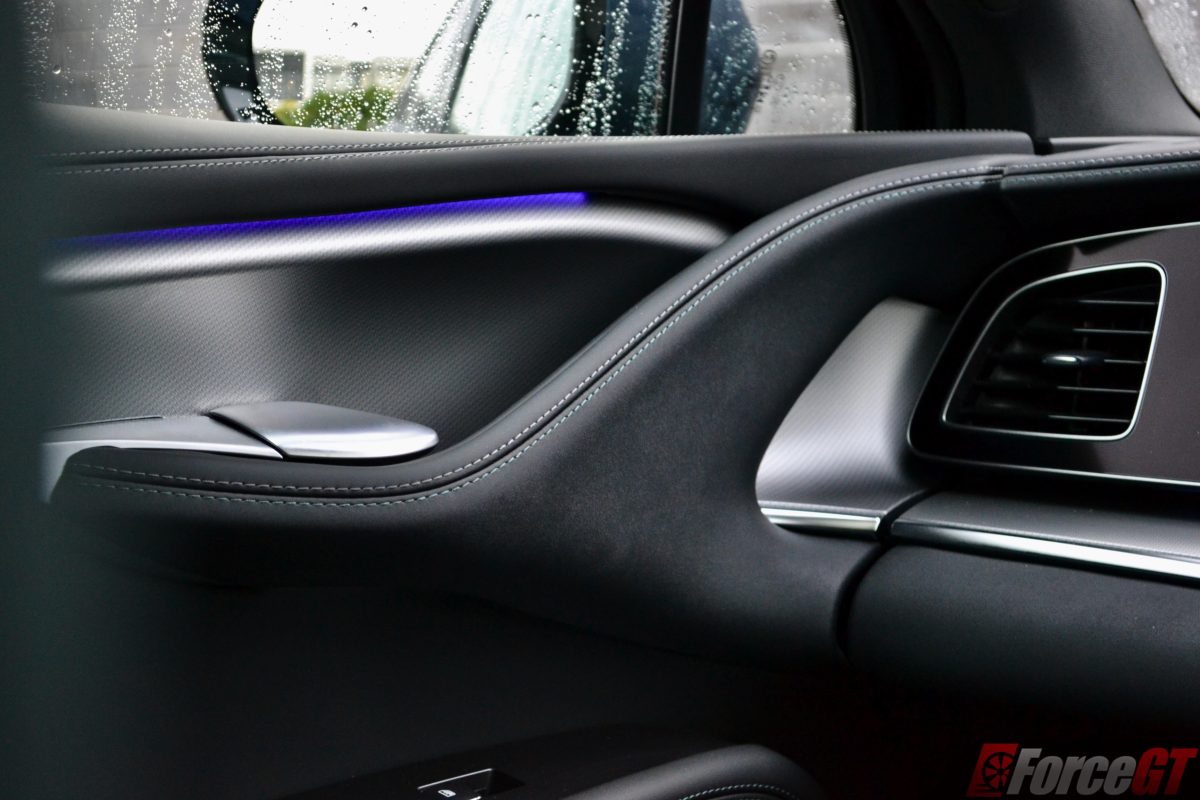
The door pockets all around are thick, which allows them to hold water bottles with ease. The centre storage compartment is very deep and the glove box is of good size as well. Elsewhere, there’s a huge storage tray under the centre console stack which is good for placing anything from small handbags and notepads to takeaways and tissue boxes. The pair of front cup holders are depth adjustable but the openings are a bit small.
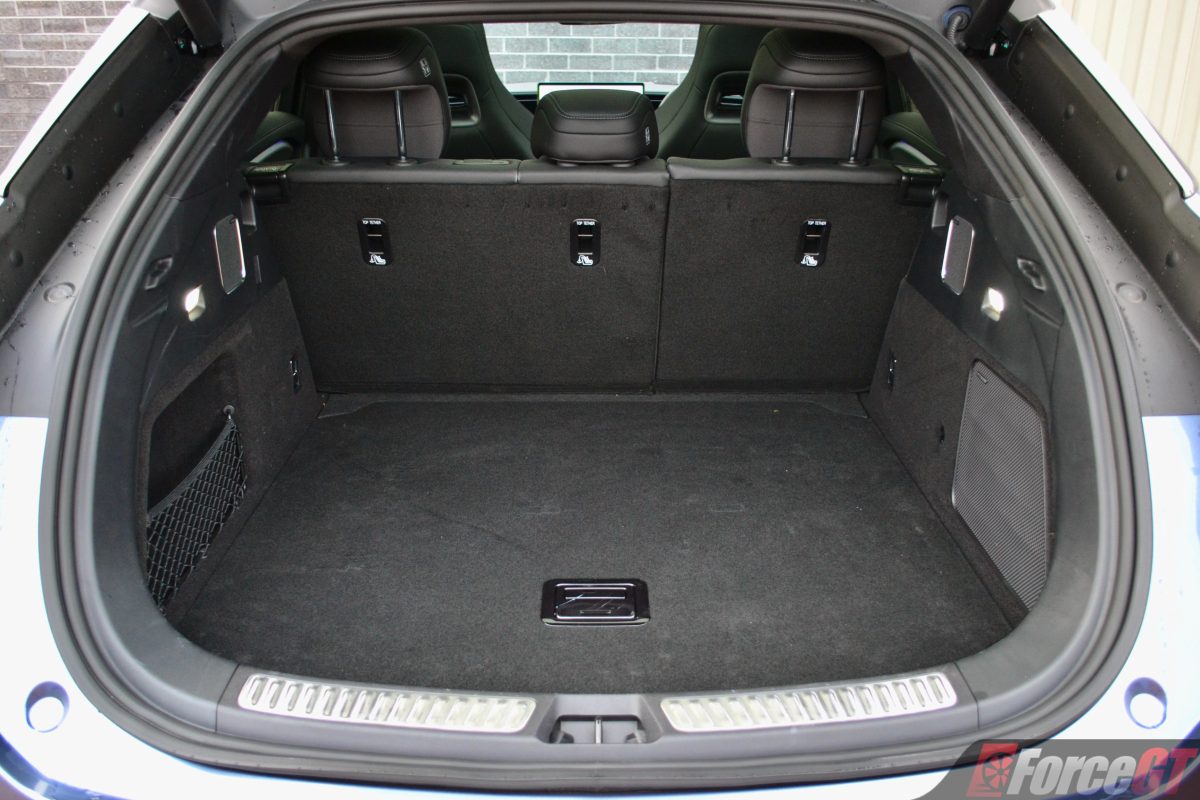
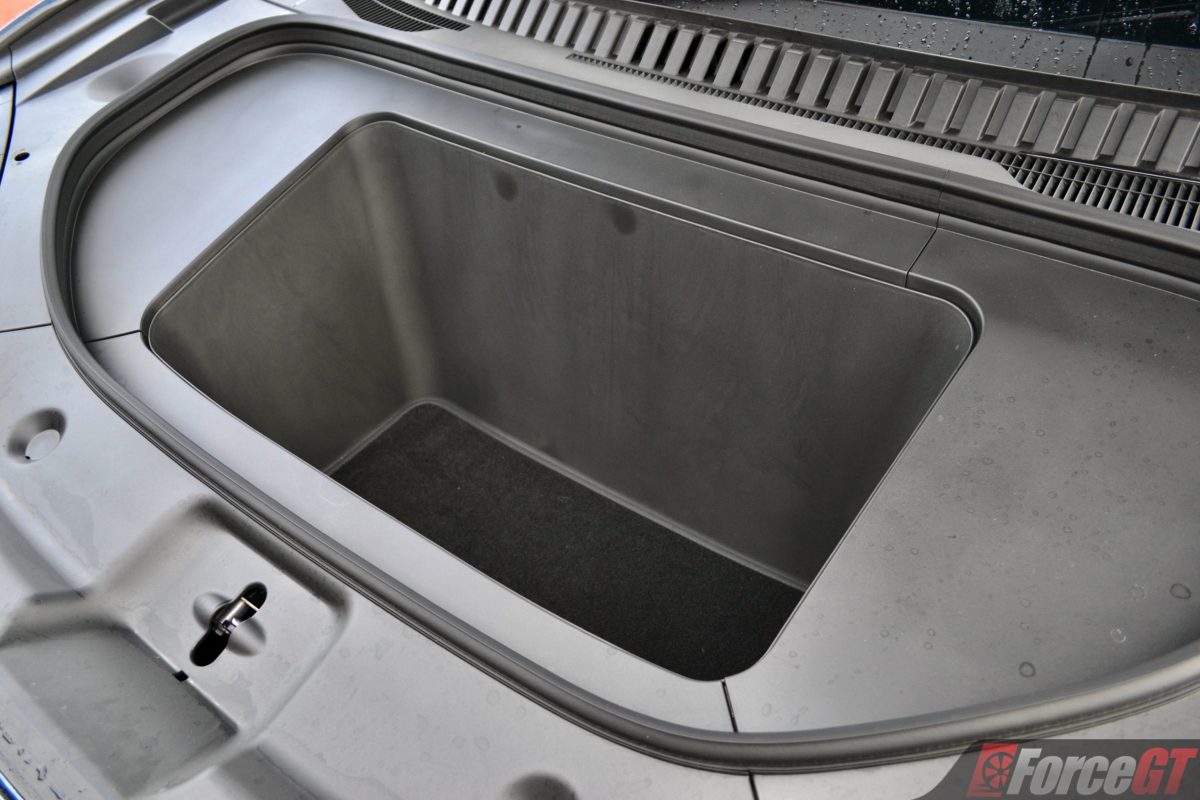
The boot space measures 500 litres, expandable to 1,789 litres with the rear seats folded. Both figures are about segment average. For extra storage, there’s a second boot under the bonnet that measures 58 litres.
From the driver’s seat, forward visibility is good but the same can’t be said for rear visibility, as the sloping roofline limits the size of the rear window aperture. Reverse view cameras will have to be relied upon heavily when it comes to parking or manoeuvring the vehicle around tight spaces.
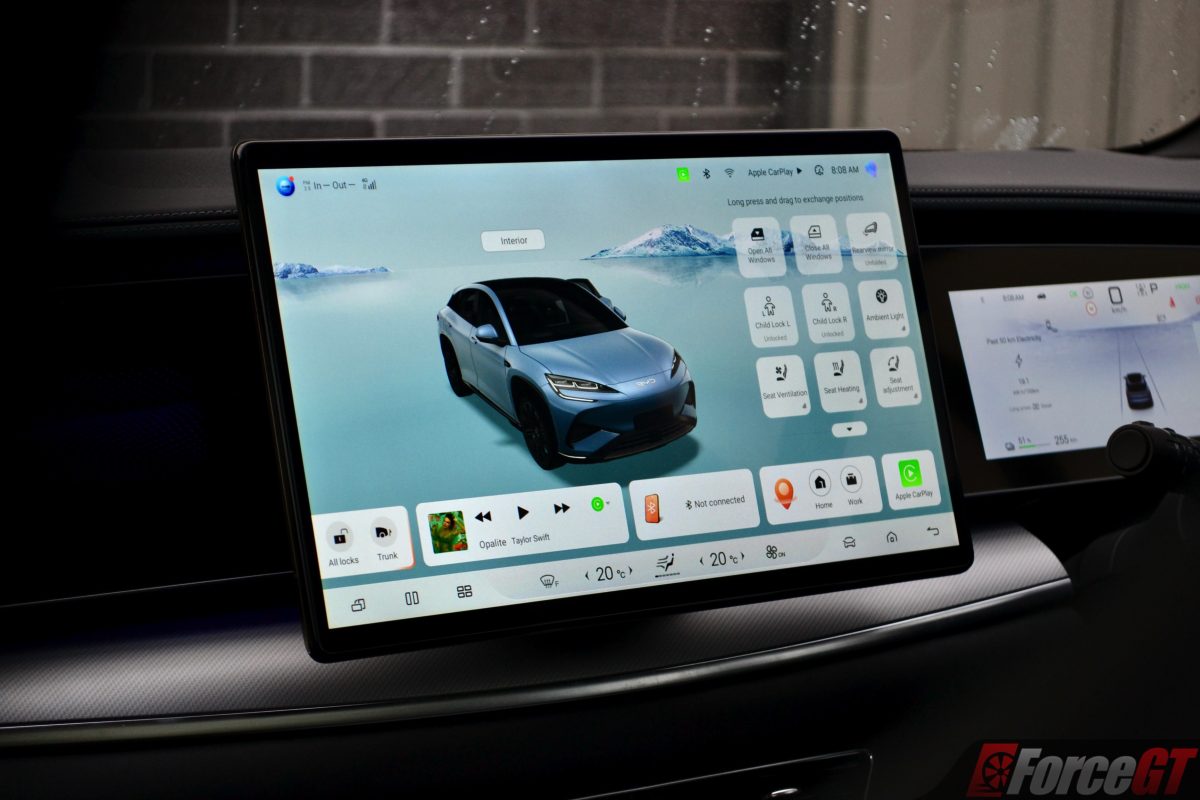
The dashboard is dominated by the massive 15.6-inch tablet-style central touchscreen display, which can be rotated to suit either portrait or landscape orientation. The rotating function is a bit gimmicky, as I feel the touchscreen interface has been designed primarily for landscape use (certain features don’t work in portrait), and I suspect most owners will leave the display in this position.
While the touchscreen display is ultra responsive and super high resolution, most essential functions like climate control require multiple presses to complete a selection, which is a bit of a shame as the large screen has more than enough room to accomodate shortcut buttons. Instead, much of the screen is a wallpaper which may look fancy but not quite practical. That said, it’s good to see the small pool of physical switches in the centre console for operating the media playback volume, drive modes and basic climate functions, amongst other things.
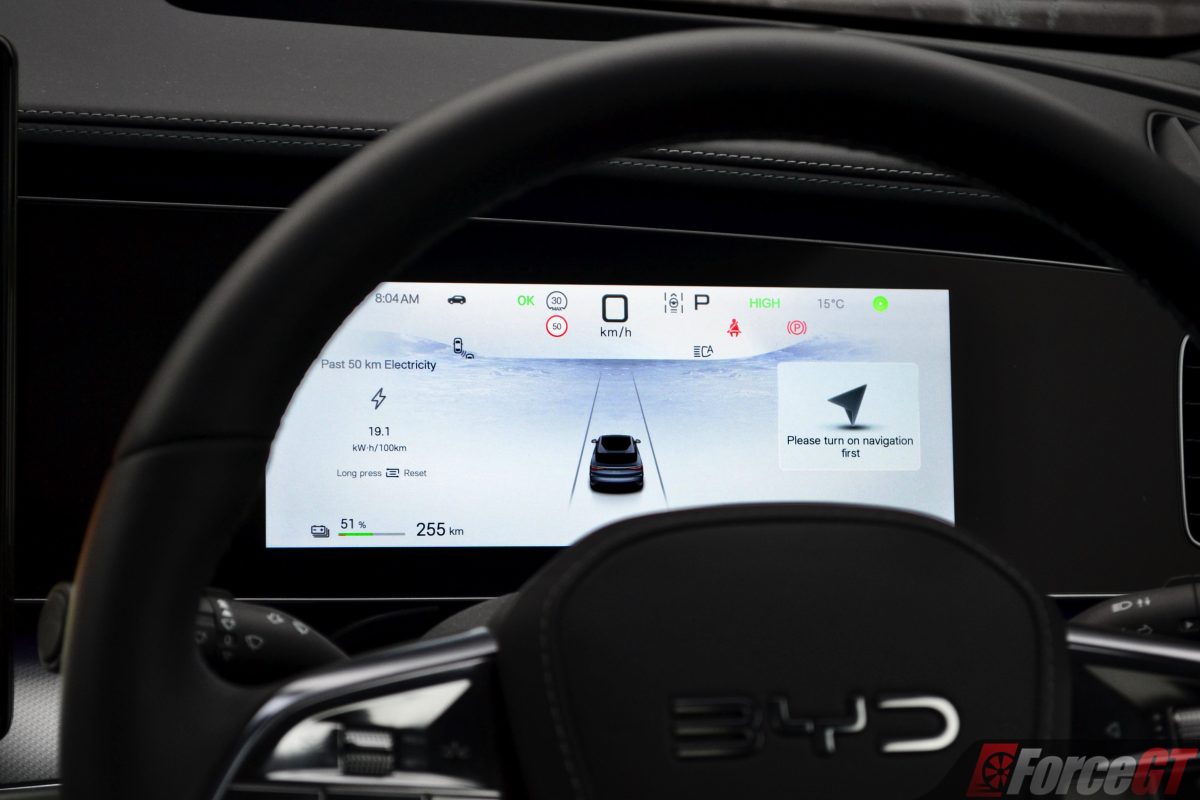
A 10.25-inch digital instrument cluster and a colour head-up display (HUD) form the driver cockpit. Like the central display, the instrument cluster can do with some finesse. Currently, there’s just too much distracting information cluttered around critical readouts like the speedometer, drive selector position and parking brake activation status. It drowns out the primary driving readouts. It looks as if the designers are trying to cramp as much information into the small display as possible. As a result, some of the font sizes, like those for the cruise control and navigation, are too small to be easily legible while driving.
Interestingly, the passenger side of the dashboard looks ready to accomodate a third display for use as a co-piloting touchscreen. Perhaps, this is something that may be available as an option in the future.
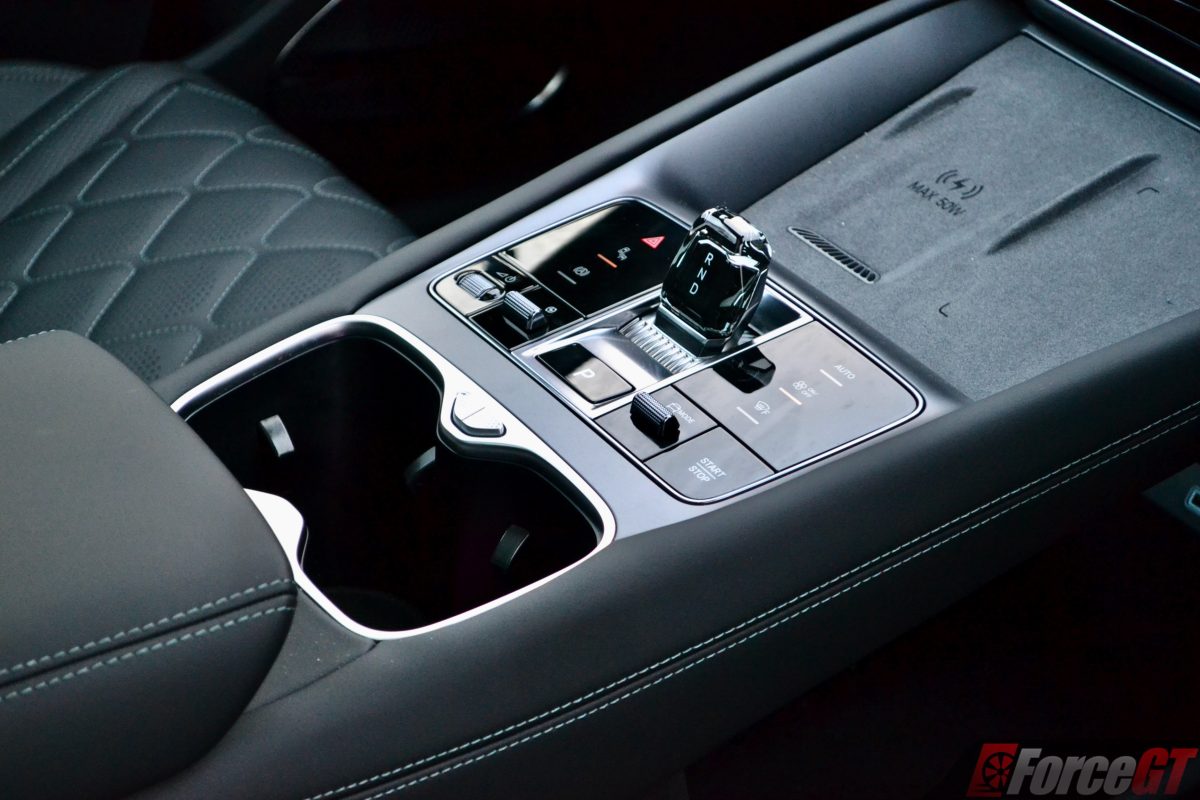
Just below the central air vents sits a 50W fast wireless charging pad. Not only is it big enough to accomodate most modern plus-size smartphones, it has a built-in cooling fan to keep your phone nice and cool while charging. Next to the charging pad is space to place a second phone. It’d be nice if this was also a charging pad. We’re starting to see many cars now offering dual charging pads, so it’ll be good to see this offered in the next update.
Apple CarPlay and Android Auto are both supported, more importantly, both are wireless from 2026 onwards. Other notable embedded tech includes Spotify music streaming, satellite navigation, voice assistant, DAB+ radio and over-the-air (OTA) software updates. The standard 12-speaker Dynaudio sound system plays your favourite tunes with good clarity and deep bass.
Happened on a few occasions during testing though, with the audio off and the car put into reverse, the audio playback restarted itself. Also happened on test, with the turn indicator activated, after a phone call was received and ended, the turn signal click disappeared. These are minor software gremlins that I hope will be resolved in incremental OTA updates.
Both the Sealion 7 Premium and Performance variants feature the same 82.56kWh drive battery, with the former having a single motor rear-wheel drive configuration and the latter using a dual-motor all-wheel drive setup. Total motor output is rated at 230kW and 380Nm for the Premium and 390kW and 690Nm for the Performance.
On the road, these figures translate to a 0-100km/h sprint time of 6.7 seconds for the Premium and a sports car-like 4.5 seconds for the Performance. The Premium has a claimed WLTP range of 482km, while the Performance is slightly lower 456km range, partly due to the larger 20-inch wheels and losses in the AWD system.
As expected from an EV, the driving experience is one that is refined, quiet and smooth. Get up and go performance is spritely, as peak torque is on tap right from the top of the pedal. Be it overtaking at high speeds, rolling off at the lights or joining at an intersection, performance is as effortless as it is instantaneous.
The steering has a nice weight to it, if not a little numb in feedback, the regenerative brakes feel progressive enough and there’s plenty of traction from the AWD system.
Yet, I wound’t describe the Sealion 7 Performance as a sports SUV mainly because it doesn’t quite engage the driver as much as some other high-performance SUVs on the market. The connectedness of the chassis and steering is still a few notches off the level required to be a genuinely sporty driver’s car.
Make no mistake, the Sealion 7 Performance has good body control and is relatively confident through corners, but it remains very much a fast SUV with balanced handling rather than an out-and-out performance crossover.
Over road imperfections, the car does a fine job of smoothing out rough edges but larger bumps and steps can still make their presence felt in the cabin. That came as a bit of a surprise given the car’s circa 2.4-tonne kerb weight, which should’ve been highly effective in compressing shocks and jolts.
Both Sealion 7 variants support 11kW AC charging or up to 150kW of DC fast charging, the latter less impressive than some key rivals which now exceed 200kW of charging capacity. BYD claims a 10–90 per cent DC charge in around 25 to 30 minutes. It supports vehicle-to-load (V2L) functionality for powering external electrical devices.
At the end of my week-long test period with about 400km travelled, the energy consumption averaged 19.8kWh/100km, not too bad but certainly not class-leading. Interestingly, the figure is better than the official 21.4kWh/100km claimed by BYD.
BYD’s driving safety suite is slightly better calibrated than those found in other Chinese vehicle brands, and this is reflected in the Sealion 7. The systems aren’t overly intrusive, abrupt or nervous. The comprehensive suite of features include adaptive cruise control, blind-spot monitoring, lane keep assist, automatic emergency braking, front and rear-cross traffic alert and braking and traffic sign recognition.
Verdict
Design & Comfort
Performance & Handling
Quality
Economy
Equipment & Features
OUR SCORE
3.9/5
+ Plus
- Smart, classy design inside and out
- Competent handling
- Smooth and refined powertrain
- Practical cabin
– Minus
- Not as engaging as its ‘Performance’ badge might suggest
- Some minor software gremlins
- Ride comfort over bad surfaces can be better
- Average driving range
Overall
It isn’t hard to see why the BYD Sealion 7 resonated so well with EV buyers since launch. It’s stylish, practical and well made. The tech is as up-to-date as it could get in a family SUV, despite having some software gremlins that need to be ironed out, and the drive is, for the most part, pretty good.
The tested Sealion 7 Performance variant serves up respectable handling and punch for under $70k drive-away. For keen drivers, that’s an attractive proposition. However, be sure to check out the base Sealion 7 Premium model before signing on the dotted line to see if the extra spending is worth it.
2026 BYD Sealion 7 Performance Pricing and Specification
| Price (excl. on-roads) | From: $63,990 |
| Warranty | 6 years / 150,000 km |
| Warranty Customer Assistance | 1 year roadside |
| Country of Origin | China |
| Service Intervals | 12 months/20,000km |
| Power Unit | 82.6kWh battery, dual electric motor, 390kW / 690Nm |
| Transmission | Automatic |
| Drivetrain | All-wheel drive |
| Body | 5-door SUV, 5-seats |
| Dimensions (L/W/H/W-B) mm | 4,830/ 1,925/ 1,620/ 2,930 |
| Tare Mass (kg) | 2,340 |